House of Culture
Altidona
Cultural space hosting the permanent exhibition of works by Belgian artist Ludwig Van Molle

 Italiano
 English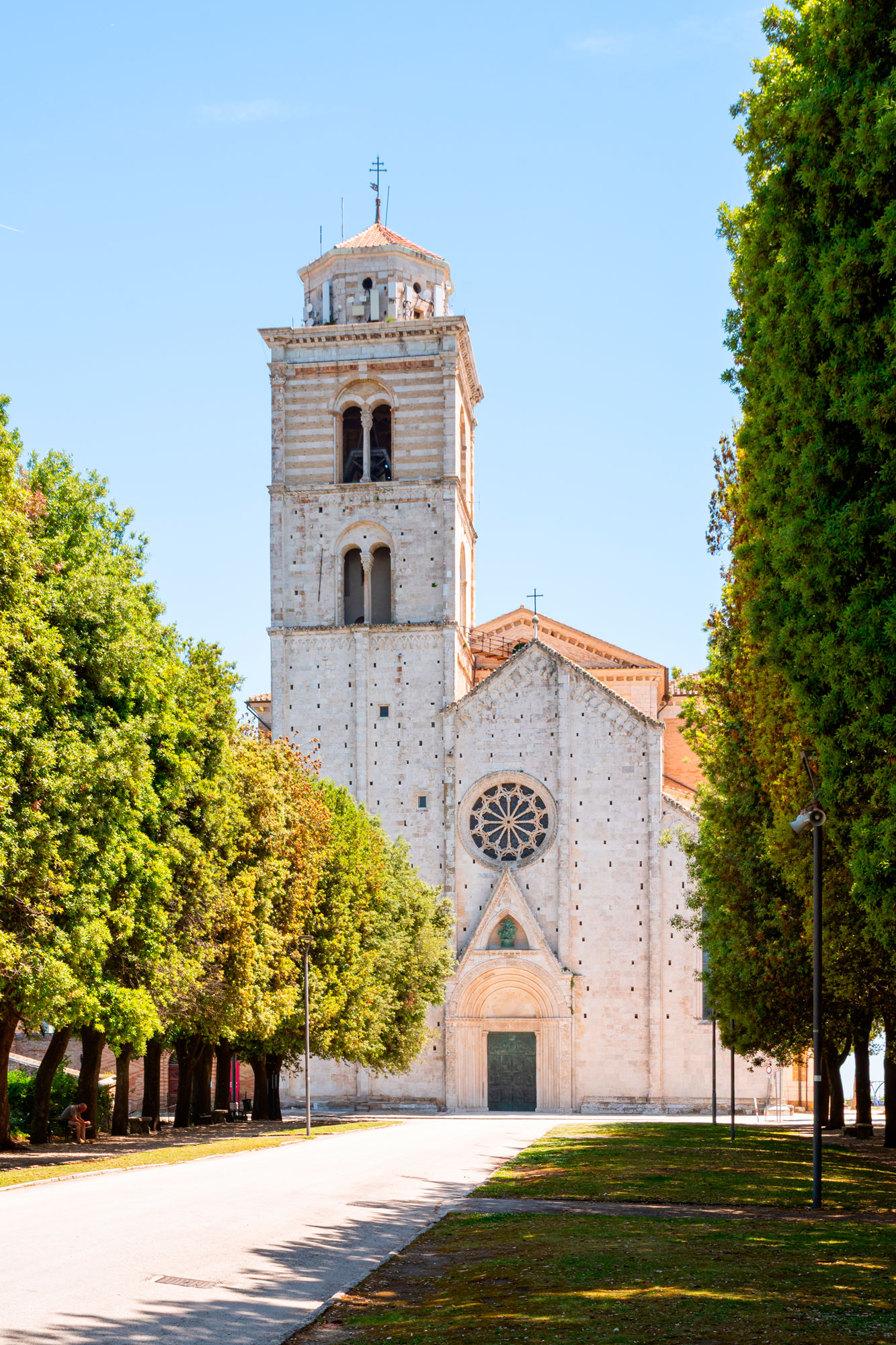
The Duomo of Fermo is astonishing for the contrast between its Romanesque-Gothic facade from 1227 and its Neoclassical interior from 1781. The adjacent Diocesan Museum displays the precious Treasure of the Cathedral, including the Chasuble of St. Thomas Becket (1116) and the Missal De Firmonibus (1436).
The Metropolitan Cathedral, dedicated to the Assumed Virgin, stands on the remains of an ancient pagan temple and a 6th-century Paleochristian basilica, destroyed in 1176 by Frederick Barbarossa’s troops. The reconstruction was completed in 1227 by the architect Giorgio da Como, as attested by the plaque at the south entrance. Today, the Cathedral still showcases its original Istrian stone facade in a Romanesque-Gothic style: asymmetrical due to the presence of the bell tower, it is decorated with Christian motifs such as vine tendrils and symbolic figures of lions and dragons. While the exterior retains its medieval imprint, the interior was completely reconstructed in 1781 according to a design by Cosimo Morelli. The Neoclassical environment with three naves houses valuable works, including the Paleochristian mosaics in the presbytery depicting two peacocks and the funerary monument to Giovanni Visconti d’Oleggio. The layered history of the Duomo continues in the crypt, where, among Roman and medieval artifacts, opens the evocative 13th-century crypt frescoed by Alessandro Ricci.
The ideal extension of the Cathedral is the Diocesan Museum, located next to the Duomo in the ancient headquarters of the Confraternity of Suffrage. The Museum collects a selection of the Cathedral’s Treasure and works from the Archdiocese, covering a timeframe from paleochristian art to the early 20th century. The exhibition is organized into homogeneous types to facilitate the understanding of the liturgical value of the artifacts, with large sections dedicated to Silverware and Sacred Vestments.
An exceptional piece of the collection is the Chasuble of Saint Thomas Becket, a rare example of Arab textile art from 1116, donated to the Fermano Church by Bishop Presbyter. In the first large room, the heart of the Treasure is displayed: the famous Missal De Firmonibus, illuminated in 1436 by Ugolino da Milano, which contains the iconic image of the Assumption Procession, a historical reenactment still alive every August 15th. The visit is completed with the Quadreria, which hosts masterpieces by illustrious artists such as Vittore Crivelli, Carlo Maratta, Pomarancio, and Hayez, as well as objects of the highest historical value like the tortoiseshell pastoral gift from Sixtus V and the monumental bronze ciborium by the Lombardi-Solari brothers.
The Cathedral is located on the Girfalco hill, in the upper part of Fermo’s historic centre. If arriving by car, take the A14 motorway and exit at Fermo–Porto San Giorgio, then follow signs for Fermo town centre. Alternatively, take the SS16 Adriatica road and continue uphill towards the historic centre.
The reference railway station is Porto San Giorgio–Fermo, connected with the main towns and cities along the Adriatic railway line. From the station, Fermo town centre can be reached by shuttle bus or local transport; to reach the Cathedral, continue uphill towards the Girfalco area.
To visit the Cathedral, it is advisable to use the parking areas serving the historic centre, such as Girfalco car park, Station car park or Cathedral car park. A Limited Traffic Zone is active in the historic centre, so always check local signs and any access restrictions.
Cultural space hosting the permanent exhibition of works by Belgian artist Ludwig Van Molle
Creative space and a lab for visual and contemporary languages, as well as the headquarters of the municipal library G. Nepi.
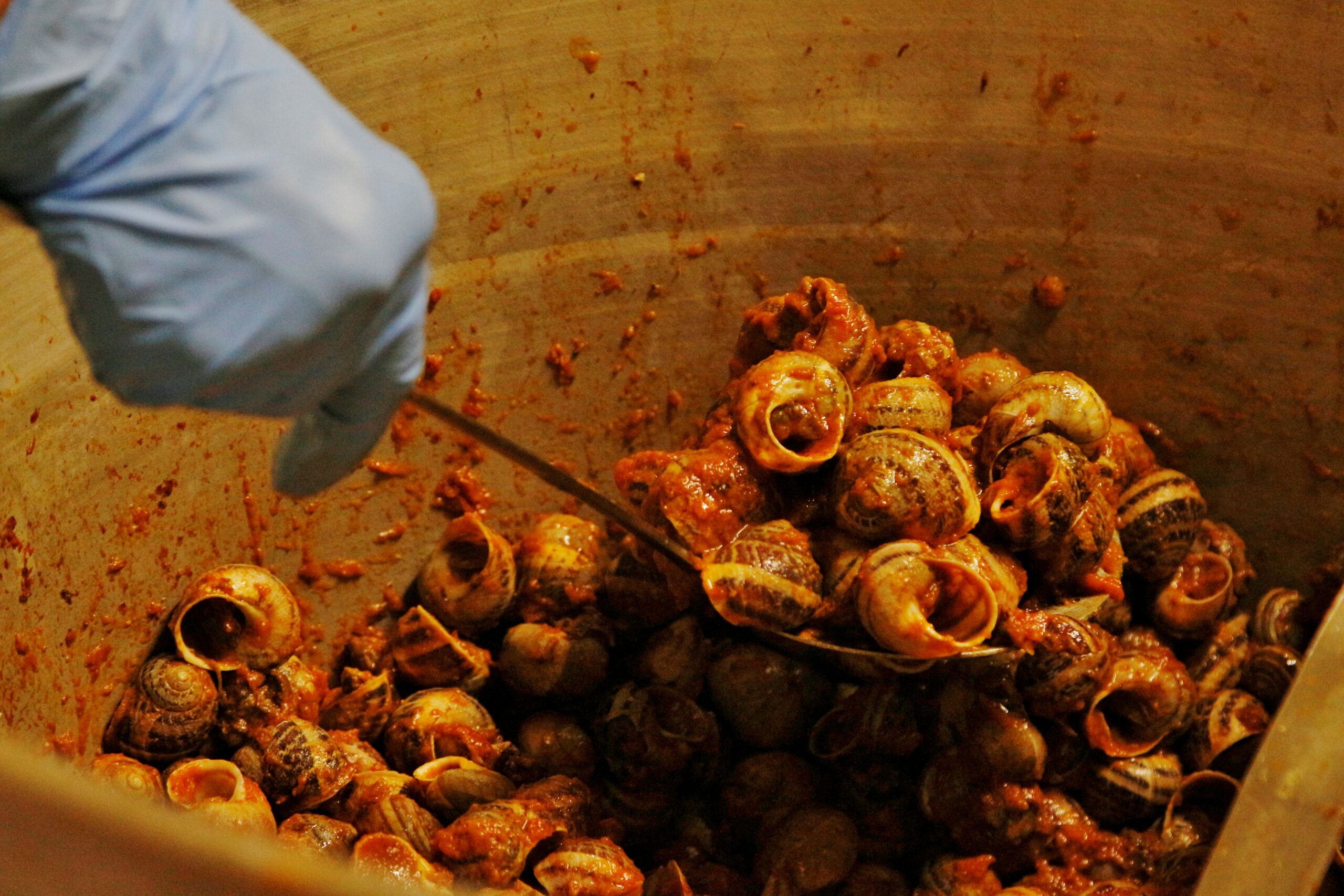
An ancient dish from Altidona’s culinary tradition, Polenta with snails combines simple ingredients, slow preparation and authentic flavours. Since 1974, it has been the highlight of the summer festival that brings Altidona’s historic centre to life every first weekend of August.